


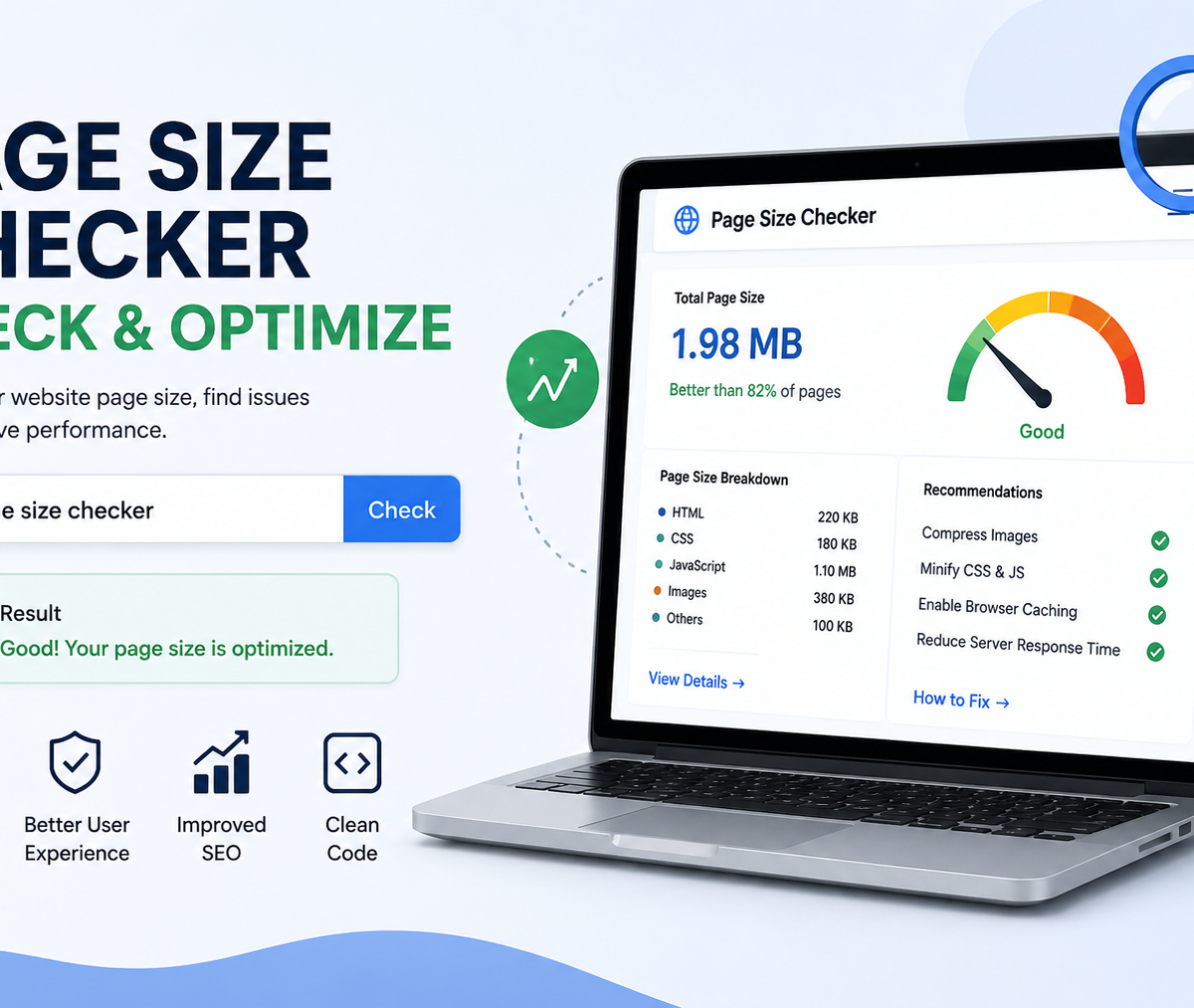
Page Size Checker Spellmistake
Website performance has become one of the most important ranking and user experience factors in the modern digital world. People expect websites to load instantly, work smoothly on mobile devices, and provide a fast browsing experience without delays. Even a few extra seconds of loading time can reduce engagement, increase bounce rates, and hurt search engine visibility.
Many users search for page size checker spellmistake because they want to understand how webpage size affects loading speed, SEO performance, and website optimization. Although the phrase may sound unusual, it is closely connected to page weight analysis, web performance testing, file size optimization, and technical SEO improvements.
A webpage consists of many elements including images, CSS files, JavaScript, fonts, videos, plugins, and external resources. When these components become too heavy, the overall page size increases significantly. Larger pages require more bandwidth and more processing time, especially on slower internet connections or mobile devices.
Understanding page size analysis is essential for bloggers, developers, SEO professionals, online businesses, content creators, and website owners who want better performance and higher rankings.
This guide explores webpage size checking, website speed optimization, technical performance factors, and practical methods to reduce unnecessary page weight for a faster online experience.
Understanding What Page Size Means
Page size refers to the total amount of data required to fully load a webpage in a browser. This includes HTML documents, stylesheets, scripts, images, videos, fonts, tracking codes, and all external resources connected to the page.
Every file contributes to the total loading weight. A simple webpage with lightweight design elements may load quickly because it contains fewer assets. In contrast, modern websites with animations, high-resolution images, autoplay videos, and multiple plugins often become extremely heavy.
When people search for page size checker spellmistake, they are usually trying to evaluate how much data their webpage consumes and whether it negatively affects loading performance.
The size of a webpage is commonly measured in kilobytes or megabytes. Smaller page sizes usually result in faster loading times, improved usability, and better mobile performance.
Why Website Page Size Matters
Website visitors expect speed. Research from companies like Google, Cloudflare, and Akamai consistently shows that slow websites lose traffic and conversions.
Heavy webpages create multiple problems. They increase server requests, consume more bandwidth, and force browsers to process more information before displaying content fully.
Search engines also consider performance signals during ranking evaluations. Core Web Vitals, page experience metrics, and mobile usability are all influenced by page weight and loading efficiency.
For eCommerce websites, slow performance can directly reduce sales. Customers often abandon shopping carts when pages load slowly or feel unresponsive.
Page size also affects accessibility. Users in regions with slower internet infrastructure or limited mobile data connections may struggle to access oversized websites comfortably.
Common Causes of Large Webpage Sizes
Many modern websites become heavy because of unnecessary design choices and poor optimization practices.
Large uncompressed images are one of the biggest causes of excessive page weight. High-resolution photos uploaded directly from cameras or design software often contain much more data than required for web display.
JavaScript frameworks and third-party scripts also contribute heavily. Social media widgets, advertising trackers, analytics tools, popups, and chat systems add multiple external requests that slow down loading.
Video backgrounds and autoplay media create additional strain, especially on mobile devices.
Many people investigating page size checker spellmistake discover that unused CSS files, excessive plugins, and poorly optimized themes significantly increase total webpage size.
Font libraries are another hidden issue. Loading multiple font families and font weights can add hundreds of kilobytes to a webpage unnecessarily.
The Relationship Between Page Size and SEO
Technical SEO is no longer optional. Search engines prioritize websites that provide fast, smooth, and user-friendly experiences.
A lightweight webpage often performs better because it loads faster and reduces user frustration. Google’s ranking systems evaluate page experience signals, including mobile responsiveness and loading performance.
Large page sizes can negatively affect crawling efficiency as well. Search engine bots may struggle to crawl oversized websites efficiently, especially when server response times are slow.
Bounce rates also increase when visitors wait too long for pages to appear. High abandonment rates send negative engagement signals that can impact visibility in search results.
Understanding page size checker spellmistake helps website owners recognize how performance optimization contributes to both user satisfaction and organic traffic growth.
Mobile Performance and Page Weight
Mobile traffic now dominates much of the internet. Smartphones, tablets, and portable devices account for a significant percentage of global web browsing.
Mobile users often rely on slower networks compared to desktop users. Heavy pages may load acceptably on fiber internet but perform poorly on mobile data connections.
Responsive design alone is not enough. A mobile-friendly layout still needs optimized assets, compressed images, efficient scripts, and streamlined code.
Accelerated Mobile Pages, progressive web apps, lazy loading systems, and adaptive image delivery have become common optimization techniques because mobile speed directly influences engagement.
Many developers researching page size checker spellmistake focus specifically on mobile optimization because mobile-first indexing has become increasingly important in modern SEO strategies.
How Images Affect Webpage Size
Images are usually the largest contributors to webpage weight. High-quality visuals improve aesthetics, but oversized images dramatically slow down loading times.
Modern image formats such as WebP and AVIF provide better compression compared to traditional JPEG or PNG files. These formats reduce file sizes while maintaining visual quality.
Compression tools help remove unnecessary metadata and optimize image delivery for browsers.
Image dimensions also matter. Uploading a 4000-pixel-wide image for a small blog thumbnail wastes bandwidth and processing power.
Lazy loading has become a popular solution because it delays loading images until users scroll near them. This improves initial loading performance significantly.
Proper image optimization is one of the easiest and most effective methods for improving overall website speed.
JavaScript and CSS Optimization
Modern websites depend heavily on JavaScript for interactivity and functionality. However, excessive scripts can severely slow down performance.
Unused JavaScript forces browsers to download and process unnecessary code. Minification reduces file size by removing spaces, comments, and redundant characters.
Combining files also reduces HTTP requests, improving efficiency.
CSS optimization is equally important. Large stylesheets with unused classes and outdated code increase rendering time.
Critical CSS techniques prioritize above-the-fold content so users see visible page elements faster while secondary styles continue loading in the background.
People exploring page size checker spellmistake often discover that frontend optimization plays a massive role in improving both performance and SEO.
The Role of Hosting and Servers
Website speed is influenced not only by design but also by server quality and hosting infrastructure.
Cheap shared hosting environments often struggle under high traffic because resources are divided among multiple websites. Slow server response times can worsen loading performance even when pages are relatively lightweight.
Content Delivery Networks help distribute files across global servers so users receive content from locations closer to them geographically.
Caching systems store temporary copies of webpages, reducing server processing requirements for returning visitors.
Modern hosting companies like SiteGround, Cloudways, DigitalOcean, and Kinsta emphasize performance optimization because server infrastructure directly affects user experience.
User Experience and Website Speed
Fast-loading websites feel more professional and trustworthy. Users associate smooth browsing experiences with quality and reliability.
Slow pages create frustration. Visitors may leave before content fully appears, especially when intrusive popups or heavy advertisements interrupt loading.
Website performance also influences session duration, page views, and conversion rates. Faster pages encourage users to explore more content naturally.
Online stores, blogs, portfolios, news websites, and SaaS platforms all benefit from reduced page sizes because smoother performance improves engagement across every industry.
When understanding page size checker spellmistake, it becomes clear that performance optimization is not just technical maintenance. It directly shapes how users perceive a brand.
Core Web Vitals and Technical Performance
Google introduced Core Web Vitals to measure real-world user experience. These metrics focus on loading speed, visual stability, and interaction responsiveness.
Largest Contentful Paint measures how quickly main content appears. First Input Delay evaluates interactivity, while Cumulative Layout Shift measures visual stability during loading.
Heavy webpages often perform poorly across these metrics because excessive resources delay rendering and responsiveness.
Optimizing page size improves these signals naturally by reducing unnecessary loading pressure.
Many SEO specialists analyze page size checker spellmistake alongside Core Web Vitals because both areas are closely connected to search visibility and usability.
Website Themes and Plugin Overload
Content management systems like WordPress simplify website creation, but poorly designed themes and excessive plugins often create major performance problems.
Some premium themes prioritize visual effects over efficiency. They include animations, sliders, icon libraries, and unused templates that dramatically increase page weight.
Plugins can also add excessive CSS and JavaScript files. Installing too many plugins often leads to conflicts, slower performance, and unnecessary database requests.
Minimalist themes generally perform better because they focus on speed, clean code, and essential functionality instead of visual overload.
Careful plugin management is one of the most effective ways to reduce webpage size and maintain stable performance.
Website Auditing and Performance Analysis
Performance auditing helps identify which elements contribute most heavily to webpage size.
Website owners commonly analyze image weight, script loading, server response time, caching efficiency, and render-blocking resources.
Browser developer tools provide detailed insights into network requests and loading sequences. These reports reveal bottlenecks that slow down performance.
Regular audits are important because websites naturally grow over time. New content, plugins, advertisements, and tracking systems gradually increase overall page weight.
People interested in page size checker spellmistake often use technical analysis to discover hidden issues affecting loading speed and SEO performance.
The Future of Lightweight Web Design
Modern web development increasingly emphasizes speed, simplicity, and accessibility.
Minimalist design trends continue growing because users prefer clean interfaces that load quickly and work reliably across devices.
Artificial intelligence, edge computing, adaptive image delivery, and advanced caching technologies are reshaping performance optimization strategies.
Developers are also becoming more conscious about sustainability. Lightweight websites consume less energy, reduce server strain, and create more environmentally efficient digital experiences.
Performance-first design is likely to become even more important as mobile browsing and user expectations continue evolving.
Common Mistakes Website Owners Make
Many website owners unintentionally damage performance by prioritizing aesthetics over usability.
Uploading uncompressed media, using autoplay videos, installing unnecessary plugins, and choosing bloated themes are common mistakes.
Ignoring mobile optimization is another major issue. A website that performs well on desktop may still struggle badly on smartphones.
Some people also overload webpages with advertisements, popups, and external tracking scripts, creating frustrating user experiences.
Understanding page size checker spellmistake helps identify these common issues before they negatively impact rankings, traffic, and engagement.
Conclusion
Website speed and page optimization have become essential parts of modern digital success. A fast-loading website improves user experience, supports SEO performance, increases engagement, and creates a more professional online presence.
Page size directly influences how efficiently browsers process and display content. Images, scripts, plugins, themes, fonts, and hosting infrastructure all contribute to overall webpage weight.
By understanding page size checker spellmistake, website owners can identify technical problems that slow down performance and implement smarter optimization strategies. Reducing unnecessary page weight not only benefits search visibility but also improves usability for visitors across desktop and mobile devices.
In today’s competitive online environment, speed matters more than ever. Websites that prioritize lightweight design, efficient coding, optimized media, and clean performance standards are more likely to succeed long-term in both user engagement and search engine rankings.