


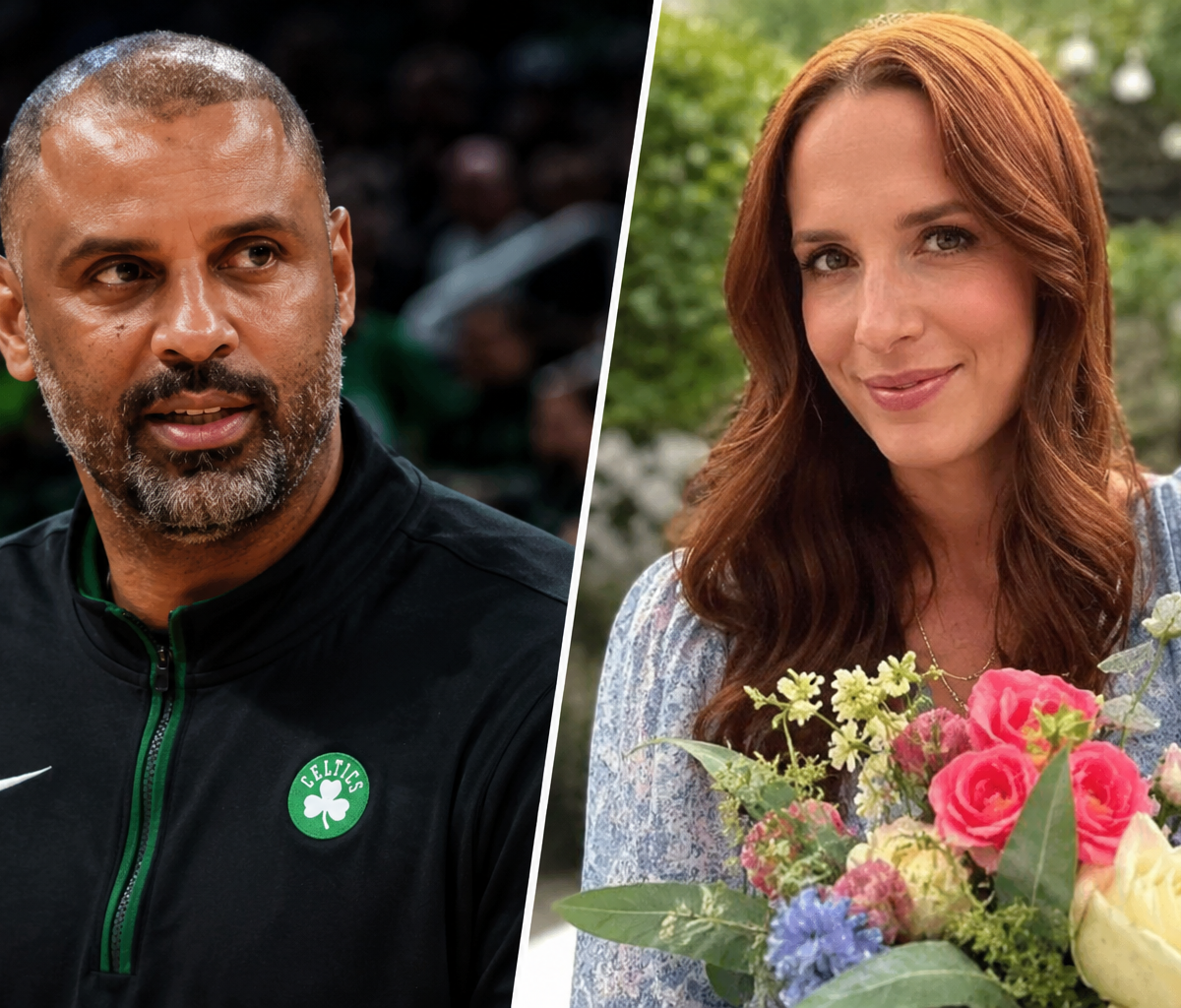
Kathleen Lynch Celtics
The Boston Celtics are one of the most historic and respected franchises in professional basketball. Over the decades, the organization has built a reputation based on championships, leadership, loyalty, and strong connections between players, coaches, executives, and supporters. Behind every successful sports organization, there are also individuals who contribute quietly outside the spotlight. One name that has attracted growing attention among basketball followers is Kathleen Lynch.
Interest in “kathleen lynch celtics” has increased as fans search for information about her connection to the team, the organization’s culture, and the wider influence of people working behind the scenes. While many public discussions around the Celtics focus on star athletes, championship runs, coaching strategies, and front-office decisions, there is also curiosity about the individuals connected to the franchise in professional and personal ways.
The Celtics are more than simply a basketball team. They represent tradition, discipline, and community. Every era of the organization has included people whose roles may not always receive national attention but still contribute to the identity of the franchise. Understanding these relationships helps fans better appreciate how large professional sports organizations operate beyond the basketball court.
The Legacy of the Boston Celtics
The Boston Celtics are one of the most successful franchises in NBA history. Founded in 1946, the team quickly became associated with excellence and consistency. Legends such as Bill Russell, Larry Bird, John Havlicek, Paul Pierce, and many others helped build a culture centered around teamwork and winning.
Unlike many sports organizations that constantly reinvent themselves, the Celtics have maintained a strong identity for generations. Their green-and-white colors, passionate fan base, and championship expectations remain deeply connected to basketball culture.
Throughout the years, the organization has also developed a reputation for stability behind the scenes. Executives, coaching staff, community leaders, and longtime associates have all played important roles in maintaining the franchise’s public image and internal culture.
As online interest around “kathleen lynch celtics” continues to grow, many people are exploring how individuals connected to the organization become part of the larger Celtics story. In modern sports culture, fans often want to understand not only what happens during games but also the relationships and personalities connected to major teams.
Why Fans Are Interested in People Around Sports Organizations
Professional sports today extend far beyond the actual competition on the court. Fans follow players on social media, learn about executives, research ownership groups, and become interested in people connected to teams personally and professionally.
This growing curiosity is partly driven by the digital age. News spreads quickly, and supporters now consume sports content daily through podcasts, interviews, documentaries, and online discussions. People no longer see sports organizations only as businesses. Instead, teams often feel like communities with interconnected personalities.
The attention surrounding “kathleen lynch celtics” reflects this broader shift in fan behavior. Supporters naturally become interested in individuals who may have relationships with important members of an organization or who are connected to the team’s internal culture.
In many cases, these discussions are less about celebrity and more about understanding the environment that shapes successful franchises. Fans enjoy learning how organizations operate behind the scenes and how different people contribute to long-term success.
The Celtics Culture and Organizational Identity
One reason the Celtics remain highly respected throughout the NBA is their organizational culture. The franchise has historically emphasized professionalism, accountability, and unity. These values influence everyone associated with the team, from players and coaches to staff members and executives.
The Celtics organization has often been praised for maintaining strong internal relationships. This stability has helped the franchise remain competitive across multiple generations. Teams with strong cultures typically perform better over long periods because trust and communication remain priorities.
Conversations around “kathleen lynch celtics” also highlight how modern sports fans increasingly value personal stories connected to organizations. People understand that successful franchises are shaped by more than statistics and game results alone.
In professional basketball, the pressure to win is enormous. Players face public criticism, executives handle major financial decisions, and coaches manage constant expectations. Support systems inside and outside the organization often play an important role in maintaining balance and stability.
The Celtics have traditionally projected an image of professionalism and loyalty. That identity contributes significantly to why the franchise continues to attract respect throughout the basketball world.
Media Attention and Public Curiosity
Sports media has changed dramatically over the past two decades. In earlier eras, fans mostly consumed information through newspapers and television broadcasts. Today, digital platforms allow people to discuss every detail related to teams and personalities connected to sports organizations.
This environment naturally increases public curiosity. Names associated with major franchises often become discussion topics online even when those individuals maintain relatively private lives. Search trends and online conversations frequently grow because fans simply want to understand the broader human side of professional sports.
Interest in “kathleen lynch celtics” demonstrates how audiences now follow sports stories beyond the basketball court itself. Fans want insight into the culture, relationships, and personal dynamics connected to successful organizations.
At the same time, public attention can create challenges. Individuals connected to major sports franchises sometimes receive unexpected media interest despite not seeking public visibility. This reflects the powerful influence professional sports teams have within popular culture.
The Celtics, because of their history and loyal fan base, naturally attract intense attention. Anything connected to the organization often becomes part of larger basketball conversations online and across media platforms.
Leadership and Stability Within the Celtics Organization
Strong leadership has always been central to the Celtics’ long-term success. From legendary coaches like Red Auerbach to modern executives and basketball operations staff, the franchise has consistently valued structure and strategic planning.
Championship organizations rarely succeed because of talent alone. Stability behind the scenes matters just as much. Teams need strong communication, shared goals, and trusted relationships to remain competitive year after year.
This broader understanding helps explain why conversations involving “kathleen lynch celtics” continue appearing among fans interested in the organization. Modern audiences recognize that personal and professional relationships often influence workplace environments, especially in high-pressure industries like professional sports.
Leadership within the Celtics organization has traditionally focused on continuity rather than chaos. Even during rebuilding periods, the franchise usually maintains a clear identity and long-term vision.
That consistency helps players develop confidence and allows the team to maintain strong public trust. Fans appreciate organizations that demonstrate professionalism and stability over time.
The Human Side of Professional Basketball
Sports fans sometimes forget that professional athletes, executives, and staff members are ordinary people dealing with pressure, expectations, and personal responsibilities. The NBA schedule is demanding, and the public attention surrounding major franchises can become overwhelming.
Behind every successful team are families, friendships, and support systems that help individuals manage stress and maintain focus. Emotional support often plays an important role in professional success, even if those contributions remain mostly invisible to the public.
The growing interest in “kathleen lynch celtics” reflects the human curiosity people naturally have about the lives connected to major sports organizations. Fans are often interested in understanding the people who contribute indirectly to a team’s culture and stability.
The Celtics organization has historically emphasized teamwork not only on the court but also throughout the franchise itself. Strong relationships and mutual trust remain essential components of long-term success in professional sports.
This human dimension is part of what makes basketball such a powerful cultural force. Supporters connect emotionally not just with games and championships but also with stories of resilience, loyalty, leadership, and community.
The Role of Privacy in Modern Sports Culture
One challenge created by modern media is balancing public interest with personal privacy. Sports fans naturally feel connected to teams and personalities they admire, but individuals associated with organizations may still prefer private lives away from constant attention.
This balance has become increasingly difficult in the digital era. Social media platforms and online search trends can quickly turn relatively unknown individuals into public discussion topics.
The attention surrounding “kathleen lynch celtics” highlights this reality. Curiosity often grows rapidly whenever someone becomes connected to a high-profile sports organization, especially one with the global recognition of the Boston Celtics.
At the same time, respectful discussion remains important. Sports organizations are built by many people whose contributions may happen quietly behind the scenes. Not everyone connected to professional basketball seeks media attention or public visibility.
The Celtics franchise itself has generally maintained a culture that values professionalism and discretion. That approach has helped preserve the organization’s reputation over many decades.
The Celtics Brand Beyond Basketball
The Celtics are not only a sports team but also a global brand recognized across generations. Their influence extends into fashion, entertainment, business, and popular culture. Because of this visibility, nearly anything connected to the organization can attract public interest.
Fans around the world identify the Celtics with excellence, tradition, and competitive spirit. The franchise’s championship history gives it a level of prestige that few sports organizations can match.
As discussions involving “kathleen lynch celtics” continue online, they also reflect the broader cultural power of iconic sports franchises. People are naturally drawn toward stories connected to successful organizations because those stories feel part of something larger than sports itself.
The Celtics have managed to remain culturally relevant across multiple generations because they consistently balance tradition with evolution. Younger fans admire the team’s current stars, while older supporters remain emotionally connected to the franchise’s historic legacy.
This combination of history and modern relevance keeps public attention focused on the organization year after year.
Why the Celtics Continue to Capture Public Attention
The NBA changes constantly, but the Celtics remain one of the league’s defining franchises. Their combination of history, passionate supporters, and championship expectations ensures that public interest rarely disappears.
Every season brings new storylines involving players, coaches, executives, and personalities connected to the team. Fans enjoy following these narratives because they create emotional investment beyond wins and losses.
Interest in “kathleen lynch celtics” fits within this larger pattern of curiosity surrounding one of basketball’s most recognizable organizations. Modern sports culture encourages fans to explore the broader human connections tied to major teams.
The Celtics continue attracting attention not simply because they win games but because they represent continuity, tradition, and identity within professional basketball. Few franchises carry the same emotional weight or historical significance.
This enduring popularity ensures that conversations around the organization will continue evolving as new personalities and stories emerge over time.
Conclusion
The Boston Celtics remain one of the most respected and influential organizations in professional sports. Their history of championships, strong leadership, and cultural impact has created a global fan base that extends far beyond basketball itself.
Growing public interest in individuals connected to the franchise reflects how modern sports culture has evolved. Fans today want to understand the people, relationships, and environments that shape successful organizations behind the scenes.
The discussion surrounding Kathleen Lynch and the Celtics demonstrates how deeply connected audiences feel to iconic teams. Whether the focus is on players, executives, coaches, or people associated with the organization personally, fans remain eager to learn more about the personalities connected to the franchise’s identity.
Ultimately, the Celtics continue to stand as a symbol of excellence, professionalism, and tradition. Their story is not only about trophies and statistics but also about the people who contribute to the organization’s culture in visible and invisible ways.