


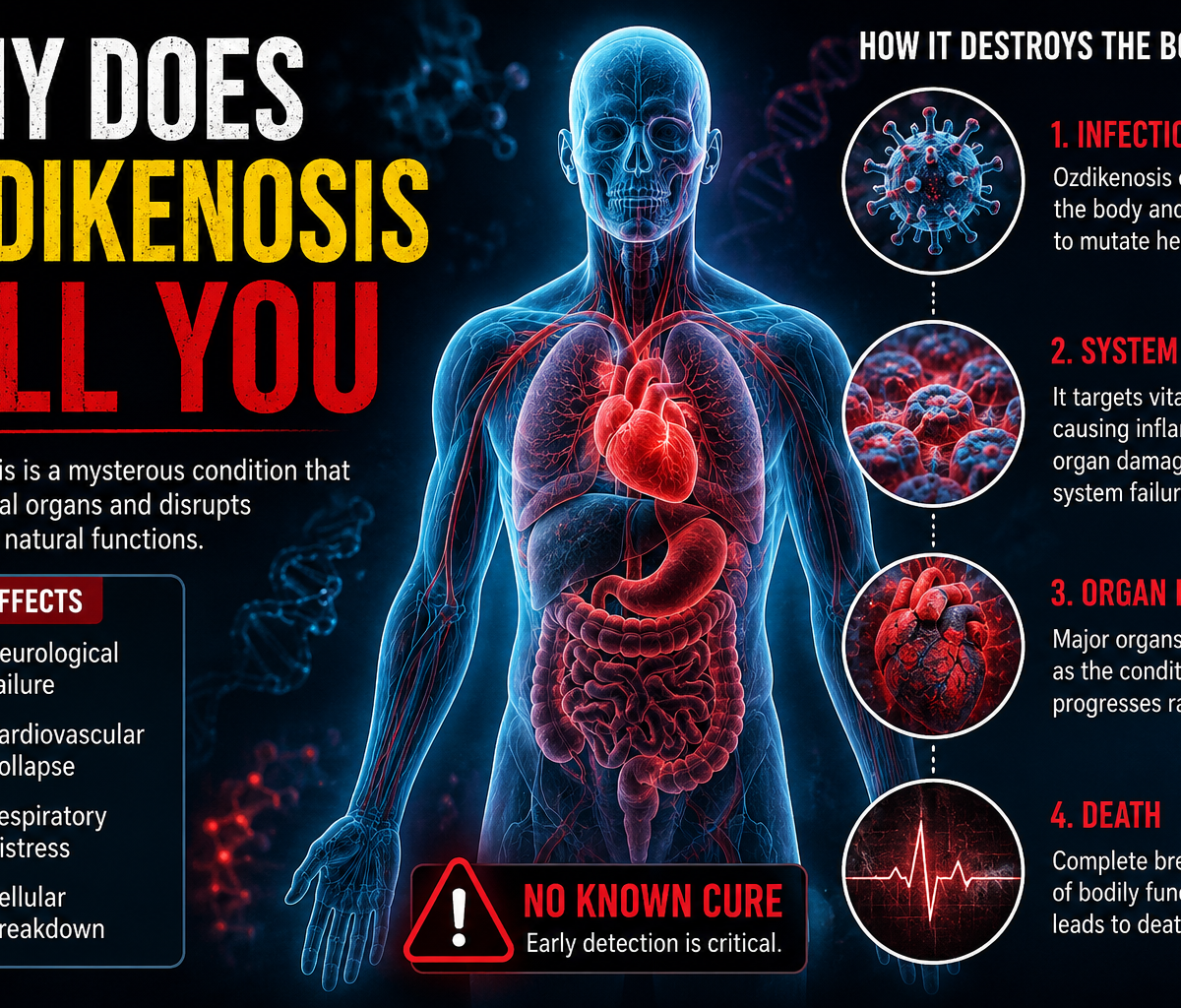
The internet is full of unusual medical terms, mysterious conditions, and health-related questions that attract attention from curious readers. One phrase that has recently appeared in searches is why does ozdikenosis kill you. At first glance, it sounds like the name of a serious disease or a rare medical condition. However, when people begin researching it, they often discover that reliable information is surprisingly difficult to find.
This lack of clear information naturally creates confusion. Some people assume it is a newly discovered illness. Others believe it may be a fictional condition from a game, story, or online discussion. Because of this uncertainty, understanding the context behind the term is important before drawing conclusions.
Rather than accepting rumors or unsupported claims, it is always useful to examine what is actually known, what remains unclear, and how medical information should be evaluated. By exploring the topic carefully, readers can better understand why unfamiliar health terms often generate concern and speculation.
Why Are People Asking why does ozdikenosis kill you
One reason unusual health-related phrases gain attention online is curiosity. When people encounter an unfamiliar word, they naturally want to understand its meaning and significance.
The phrase why does ozdikenosis kill you has attracted attention largely because it sounds medical. The ending resembles terminology commonly used in healthcare, where many diseases and conditions have scientific names that may not be immediately recognizable to the general public.
When people see a term that appears medical, they often assume it refers to a dangerous illness. This assumption can lead to increased searches, discussions on social media, and the spread of speculation. In many cases, the popularity of a search term grows much faster than the availability of verified information about it.
As a result, individuals searching for answers may encounter conflicting explanations, making it difficult to determine what is accurate and what is not.
The Search for why does ozdikenosis kill you and the Lack of Verified Information
One of the most important observations about why does ozdikenosis kill you is that there is currently no widely recognized medical condition by this name in established medical literature.
When researchers, healthcare professionals, and medical organizations identify diseases, those conditions are typically documented in scientific databases, textbooks, and professional resources. Well-known illnesses have clear definitions, recognized symptoms, and documented treatment approaches.
In contrast, the term ozdikenosis does not appear to have widespread recognition within mainstream medicine. This absence suggests that it may not represent an officially recognized disease.
That does not necessarily mean the term is meaningless. It could originate from fiction, online storytelling, internet culture, speculative discussions, or niche communities. However, without credible evidence, it would be inaccurate to describe it as a medically verified condition.
Understanding this distinction is essential because misinformation about health topics can easily spread when people rely on assumptions instead of verified facts.
Could Ozdikenosis Be Fictional or Misunderstood?
When unusual medical-sounding words appear online, they often originate from unexpected sources. Sometimes they are created for novels, movies, video games, or creative writing projects. In other cases, they result from misunderstandings, misspellings, or misinterpretations of existing medical terminology.
The question why does ozdikenosis kill you may stem from one of these possibilities.
Fictional diseases are commonly used in entertainment because they allow creators to explore dramatic scenarios without directly referencing real illnesses. These fictional conditions often sound scientific, making them believable to audiences.
Another possibility is that ozdikenosis may be a variation or corruption of another word. Internet discussions occasionally transform terms through repeated sharing, leading to confusion about their original meaning.
Without reliable documentation, it remains difficult to determine exactly where the term originated. What is clear, however, is that caution should be exercised before treating it as an established medical diagnosis.
Why People Associate Unknown Diseases With Fatal Outcomes
Human psychology plays a significant role in how people react to unfamiliar health information.
When individuals encounter a disease name they do not recognize, they often assume it is serious. This reaction is understandable because unfamiliarity creates uncertainty, and uncertainty frequently leads to concern.
The word “kill” in a search query adds another layer of emotional intensity. People searching for dangerous conditions are often looking for reassurance, explanations, or evidence regarding potential risks.
Historically, many genuine diseases were poorly understood when they first emerged. Before scientific research provided answers, fear and speculation frequently filled the information gap.
Today, the internet allows information to spread rapidly, but it also allows rumors and misconceptions to spread just as quickly. This environment makes critical thinking more important than ever.
Medical Conditions Often Confused With why does ozdikenosis kill you
Because why does ozdikenosis kill you does not appear to correspond to a recognized disease, some people may confuse it with real medical conditions that have similarly complex names.
Many diseases affecting the respiratory system, nervous system, immune system, or cardiovascular system have names that sound unfamiliar to non-specialists. Rare genetic disorders can be especially difficult to pronounce or recognize.
When people encounter a strange medical term, they sometimes assume it belongs to the same category as these documented illnesses. This assumption can contribute to confusion and encourage inaccurate interpretations.
The best way to avoid misunderstandings is to verify information through trustworthy sources and consult healthcare professionals when questions involve genuine medical concerns.
Reliable diagnosis requires evidence, testing, and clinical evaluation rather than speculation based on names alone.
How Medical Science Determines Whether a Disease Is Deadly
To understand discussions surrounding mysterious illnesses, it is useful to know how medicine evaluates disease severity.
A condition is generally considered life-threatening when it significantly disrupts essential bodily functions. These may include breathing, circulation, organ performance, immune response, or neurological activity.
Researchers assess mortality rates through extensive studies involving patient outcomes, clinical observations, and long-term analysis. Scientific conclusions are not based on rumors or isolated stories.
This process helps distinguish genuine health risks from misconceptions.
When evaluating any unfamiliar condition, the most important question is not whether people claim it is dangerous, but whether there is credible evidence supporting those claims.
Without documented research, statements regarding lethality remain speculative.
How Misinformation Fuels why does ozdikenosis kill you
The internet has made information more accessible than ever before, but it has also increased the speed at which misinformation can spread.
The phrase why does ozdikenosis kill you demonstrates how curiosity can sometimes outpace reliable information. Once a question begins circulating online, people may repeat it without verifying its accuracy.
Search engines, social platforms, discussion boards, and video-sharing websites often amplify topics that attract attention. As more people engage with a phrase, it becomes increasingly visible, even when factual information remains limited.
This cycle can create the impression that a topic is well-established despite a lack of evidence.
For this reason, readers should approach unusual medical claims with healthy skepticism and seek confirmation from reputable sources whenever possible.
The Importance of Verifying Health Information
Health information has a direct impact on personal decisions and well-being. Because of this, accuracy matters enormously.
When people encounter unfamiliar terms, they should investigate whether those terms appear in recognized medical references. Professional organizations, healthcare institutions, and scientific publications generally provide the most reliable information.
Verifying information helps prevent unnecessary fear and reduces the likelihood of spreading misconceptions.
It also encourages informed decision-making, which is essential when health-related topics are involved.
In an era where information is abundant, the ability to evaluate credibility is one of the most valuable skills a person can develop.
Why Unusual Terms Often Become Internet Mysteries
Internet culture frequently transforms obscure words into topics of widespread discussion.
Sometimes a mysterious term gains popularity because people genuinely want answers. Other times, curiosity itself becomes the reason for continued attention.
Terms that sound scientific often perform particularly well because they combine mystery with perceived authority. Readers may assume such words represent real concepts even when evidence is limited.
As discussions spread across platforms, speculation can become more influential than facts.
This phenomenon highlights the importance of distinguishing between popularity and credibility. A frequently searched term is not automatically a verified medical reality.
What Should You Do If You Encounter why does ozdikenosis kill you Online
If you come across why does ozdikenosis kill you while browsing the internet, the most sensible approach is to investigate the claim carefully rather than accepting it at face value.
Begin by looking for information from recognized medical authorities. Check whether the condition appears in professional databases, healthcare publications, or scientific journals. Evaluate whether the information is supported by evidence rather than anecdotes.
If no credible documentation exists, it may indicate that the term is fictional, misunderstood, or not medically recognized.
Approaching unfamiliar health topics with curiosity combined with critical thinking helps ensure that conclusions are based on facts rather than assumptions.
Conclusion
The question why does ozdikenosis kill you has generated interest because it sounds like the name of a serious medical condition. However, available evidence suggests that ozdikenosis is not currently recognized as a documented disease within mainstream medical literature.
The popularity of the phrase highlights how easily unfamiliar terms can attract attention online, particularly when they appear scientific or potentially dangerous. In many cases, curiosity, speculation, and misinformation contribute more to a topic’s visibility than verified facts.
Understanding how medical information is evaluated helps readers navigate these situations more effectively. Rather than relying on rumors, it is always best to seek evidence from credible sources and approach unusual claims with a balanced perspective.
Ultimately, the mystery surrounding ozdikenosis serves as a reminder of the importance of critical thinking, careful research, and responsible information sharing in today’s digital world.