


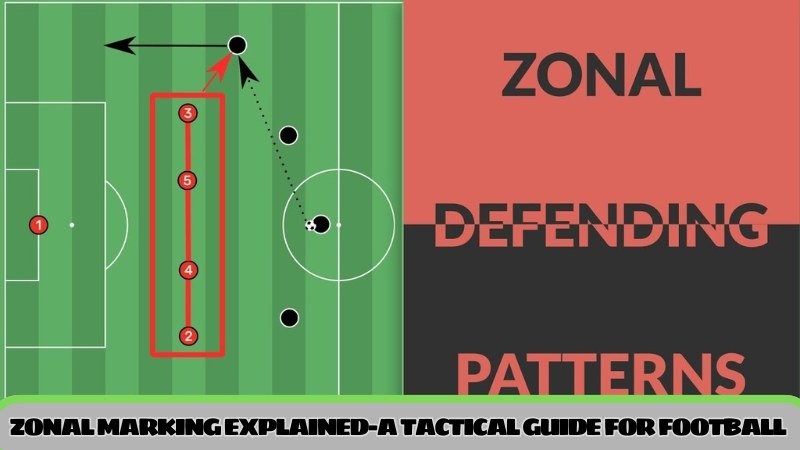
Football tactics constantly evolve, heavily shaping how teams defend. Instead of chasing individual opponents everywhere, many modern squads prefer to defend specific areas. This spatial approach ensures the defensive structure remains completely intact throughout the match.
Catch the action on Tigoals live, one of the most famous and highly debated defensive systems in the sport is zonal marking. This method requires players to protect designated areas rather than man-marking specific attackers. It provides massive structural stability against fluid offensive rotations.
As we navigate the competitive 2026 season, top clubs continue utilizing zonal marking to neutralize elite forwards. By controlling space, they force attackers into highly congested areas. Let us explore how this brilliant defensive framework truly operates.
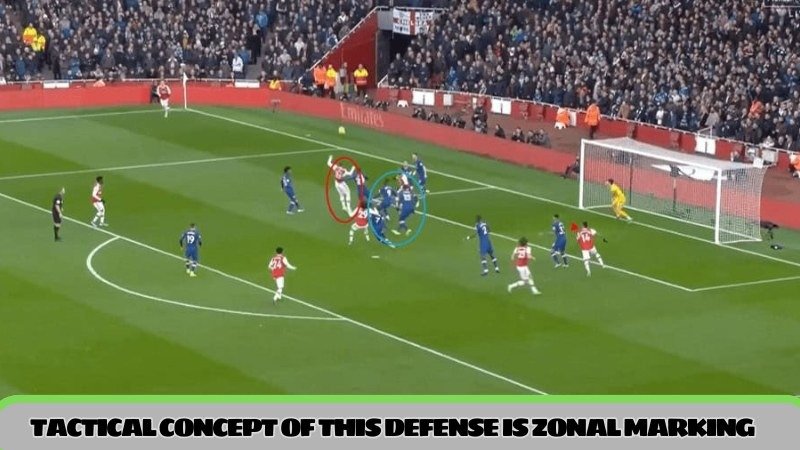
The core tactical concept of this defense is zonal marking
Let us explore the core fundamental concepts that make this strategy work today.
Defending the space
The primary philosophy of zonal marking revolves around prioritizing space over individual opponents. When the opposing team attacks, defenders position themselves based on the ball’s location. They protect their designated zones, regardless of which attacker enters that specific area during the play.
This system completely neutralizes teams that rely heavily on complex positional interchanges. If an opposing winger cuts inside, the defending fullback simply passes the marking responsibility to the central midfielder. The defensive shape remains solid, preventing massive gaps from appearing.
Maintaining the structure
A massive advantage of utilizing zonal marking is the preservation of defensive geometry. Because players do not follow their assigned men all over the pitch, the backline stays perfectly organized. This prevents opposing forwards from dragging center-backs completely out of position.
This rigid structure heavily minimizes the risk of dangerous one-on-one isolations. Attackers are constantly passed between defenders as they move across the final third. This highly organized approach forces the opposition to rely on individual brilliance to score goals.
How to execute this strategy properly
Discover the core tactical methods required to execute this setup perfectly now.
Communication on the pitch
Executing flawless zonal marking requires immense communication among all eleven players. Defenders must constantly talk to one another, clearly signaling when an attacker leaves one zone and enters another. A slight miscommunication easily leads to a forward receiving the ball completely unmarked.
This level of coordination demands relentless practice during weekly training sessions. Players develop a telepathic understanding of spacing and defensive triggers. Goalkeepers also play a vital role, loudly commanding the backline to shift horizontally as the ball moves.
Dealing with overloads
A common weakness of zonal marking is the threat of numerical overloads. Opposing teams often flood a specific zone with multiple attackers to overwhelm a single defender. To counter this, the defending midfield must drop deep rapidly to provide crucial numerical support.
The entire team must shift aggressively towards the ball to compress the playing area. If the left side is heavily targeted, the right-sided players tuck inside to condense the center. This collective shifting naturally eliminates the dangerous overload threat effectively.
Famous football teams using the setup
Examine the legendary football squads achieving massive success with this setup.
Historic tactical pioneers
AC Milan during the late 1980s perfectly showcased the immense power of flawless zonal marking. Under their visionary leadership, they completely abandoned traditional Italian man-to-man defending. They built an impenetrable defensive wall that completely revolutionized global football tactics.
Their legendary backline worked with absolute synchronization, routinely catching eager attackers in highly organized offside traps. They demonstrated that defending space intelligently was significantly more effective than chasing shadows. Their historic European triumphs validated this bold spatial philosophy entirely.
Modern European dominance
In the modern 2026 era, elite teams like Arsenal continue to deploy highly refined zonal marking schemes, especially during defensive set-pieces. By guarding prime spaces inside the penalty box, they easily repel dangerous aerial crosses from aggressive opponents.
This modern application drastically reduces defensive confusion during chaotic corner kicks. Instead of fighting through heavy traffic to track a runner, defenders simply attack any ball entering their designated zone. This pragmatic approach consistently secures vital clean sheets.
Elite coaches mastering this defense
Explore the brilliant tactical minds who successfully deploy this specific plan.
Legendary defensive innovators
Arrigo Sacchi is universally celebrated as the ultimate godfather of modern zonal marking. He boldly challenged the traditional defensive norms of his era, proving that collective spatial control could easily overcome supreme individual attacking talent. His historic tactical blueprint lives on today.
He trained his players relentlessly without a football, forcing them to visualize the pitch as a perfectly synchronized grid. His profound innovations fundamentally shifted how future managers approached defensive organization, permanently altering the coaching landscape of professional football.
Contemporary strategic minds
Today, highly respected managers like Mikel Arteta extensively utilize these spatial tactics to stabilize their defensive foundations. They perfectly blend these classic spatial concepts with intense modern pressing structures. This creates a highly adaptable team capable of suffocating the best offenses globally.
These modern leaders understand that ultimate defensive security relies on structural integrity. By carefully teaching their squads to protect crucial zones, they minimize individual defensive errors. This highly analytical approach builds championship-winning teams capable of dominating domestic and European leagues.
Conclusion
The global tactical landscape of professional football will perpetually shift, but the absolute necessity for a brilliant defensive foundation remains permanently undeniable. While expansive attacking systems often capture the media spotlight, deploying an intelligent spatial defense provides a highly efficient solution. Mastering pure zonal marking perfectly transforms ordinary football clubs into relentless, highly successful defensive fortresses today. Modern teams competing in the current 2026 season must possess this resilient weapon to survive against elite European opponents. It demands exceptional mental concentration, incredible physical discipline, and perfect structural coordination from the entire squad to secure legendary victories forever.